Key Takeaways
- Buy neighborhoods, not traffic counts. Match placements to psychographics: technology talent in Fulton Market, luxury shoppers on the Magnificent Mile, finance in the Loop.
- Format decides impact. DOOH, wallscapes and street-level storefronts create eye-level engagement that elevated bulletins structurally cannot.
- Judge cost by CPM, not rate. Use Geopath audited circulation to compare audience quality rather than monthly price.
- Chicago is a two-market city. Expressway inventory delivers regional reach; downtown inventory delivers targeting and dwell time. Most plans need both, weighted deliberately.
- Extend into mobile. Geofencing and device ID matching let a physical impression drive a retargeted conversion the same day.
Chicago Rewards Precision, Not Volume
Chicago is the third-largest designated market area in the United States, and it is one of the few American cities where a brand can run a genuinely dual-format campaign: a commuter network of expressways moving millions of vehicles a day, wrapped around a downtown grid dense enough to walk end to end.
That duality is exactly why Chicago OOH cannot be bought as a single line item. The strategy that reaches a driver on the Kennedy at 7:45 a.m. has almost nothing in common with the strategy that reaches a pedestrian on Michigan Avenue at lunch. Buying both the same way wastes half the budget.
The campaigns winning this market have stopped treating remnant roadside inventory as the default. They are building around premium digital assets and street-level placements inside the city’s densest commercial corridors, where audience quality is high enough to justify the rate card.
Mapping Chicago Neighborhoods to Audiences
The best billboard locations in Chicago are not the ones with the highest raw traffic counts. They are the ones where the audience matches the brief. Chicago’s neighborhoods have unusually distinct commercial identities, which makes location selection a targeting decision rather than a volume decision.
The Loop and the Magnificent Mile
The commercial core and the retail spine of the city. The Loop concentrates corporate professionals at a density few American downtowns match, while the Magnificent Mile pulls tourists and high-intent luxury shoppers into the same walkable stretch. High-dwell formats here work for financial institutions, B2B technology brands and luxury retail, where the goal is authority rather than frequency.
River North and the Gold Coast
Upscale nightlife, premium dining and luxury residential. Foot traffic peaks in the evening and across the weekend, which inverts the daypart logic that governs the Loop. Brands chasing affluent millennials and hospitality audiences get the most out of eye-level digital placements that intercept people moving between a reservation and a venue.
Fulton Market and the West Loop
The former meatpacking district is now the center of Chicago’s technology and culinary scenes, with corporate headquarters for Google and McDonald’s inside a few blocks of each other. The audience skews young, high-earning and design-literate. Street-level activations and bespoke wallscapes land here in a way that conventional bulletins do not, because this audience reads advertising as part of the neighborhood’s aesthetic.
The Kennedy, Eisenhower and Dan Ryan
The expressways still matter for regional reach. The Kennedy (I-90/94), the Eisenhower (I-290) and the Dan Ryan deliver enormous daily impression volume and remain the right buy for top-of-funnel awareness across the metro. What they do not deliver is targeting precision or meaningful dwell time, which is why they work better as a layer underneath a downtown buy than as the buy itself.
The Formats That Actually Command Attention in Chicago
Chicago is a visually competitive market. Standing out is a function of format as much as placement.
- Digital out-of-home. Digital billboards in Chicago give buyers daypart control and weather-triggered creative, which carries real weight in a city with this much seasonal swing. Coffee in the morning commute, spirits in the evening, shelter messaging when the wind comes off the lake.
- Spectaculars and wallscapes. When the objective is to own a neighborhood rather than appear in it, large-format wallscapes turn a building elevation into a landmark. These placements generate organic social sharing that no standard bulletin produces.
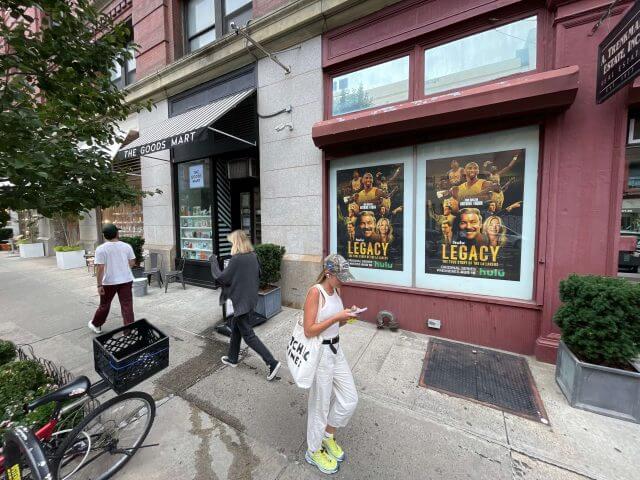
- Street-level and storefront media. Elevated bulletins are engineered for vehicles and largely miss pedestrians. Digital storefronts and immersive window displays reach people at eye level in walkable neighborhoods where conventional billboards cannot be zoned at all.
What Billboard Advertising Costs in Chicago, and How to Judge It
Chicago billboard advertising cost is set by four variables: location exclusivity, share of voice, screen specification and audience dwell time. A downtown digital unit and an expressway bulletin can carry similar monthly rates while delivering completely different audiences.
This is why experienced buyers evaluate cost per thousand impressions rather than monthly rate, and why they insist on Geopath audited circulation data. Geopath measures reach, frequency and audience composition rather than raw traffic counts, which moves the conversation from what a board costs to what a board returns.
Premium placements in Fulton Market or River North carry a higher entry point. They also produce measurably stronger unprompted recall, because traditional elevated bulletins are competing for a fraction of the attention that an eye-level display commands. A distracted driver at 60 miles per hour and a pedestrian standing eight feet from a screen are not the same impression, and pricing them identically is the most common mistake in this market.
Extending a Chicago Buy Into Mobile
The strongest OOH campaigns in this market are not standalone. They anchor an omnichannel plan.
Geofencing and mobile device ID matching let brands capture anonymized exposure data from foot traffic passing a specific placement. Someone who walks past a wallscape in River North on Friday evening can receive a retargeted mobile ad that same night. The physical impression establishes scale and credibility. The mobile follow-up captures the conversion and closes the attribution loop.
That sequence is what turns a Chicago billboard from a brand expense into a trackable performance line.
Build Your Chicago Campaign With Pearl Media
Chicago rewards partners who understand neighborhood culture, premium real estate and digital execution as one problem rather than three. Pearl Media operates bespoke environments, large-format assets and street-level digital networks across the city’s most contested footprints, and we plan around audience quality instead of remnant availability.
Talk to our team about where your brand should be in Chicago, and we will build the placement plan around it.