Key Takeaways
- High-net-worth consumers are increasingly tuning out digital ads; physical, venue-based advertising offers a tangible way to bypass ad blockers and build brand equity.
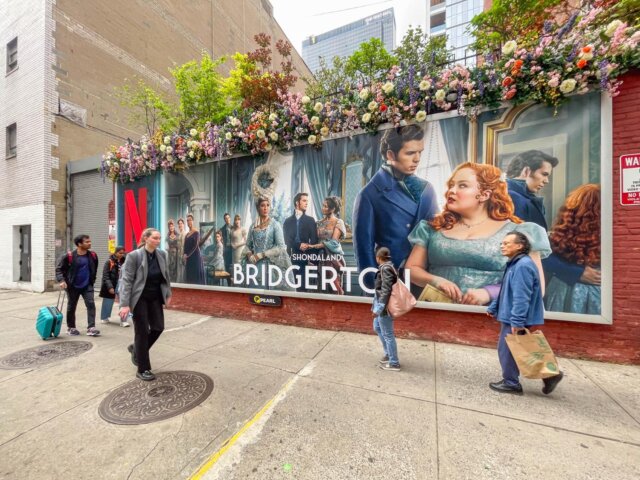
- Transforming vacant retail spaces into “Storefront Advertising” allows brands to dominate urban streetscapes and create flagship-level presence without long-term leases.
- Unlike highway billboards, street-level media provides the high-resolution detail necessary to showcase luxury goods effectively to pedestrians.
- Strategic placement near luxury boutiques and lifestyle centers primes affluent shoppers moments before they enter retail environments.
- Combining physical OOH assets with mobile geofencing and retargeting creates a cohesive, full-funnel marketing strategy that drives measurable results.
Beyond the Billboard: Capturing High-Net-Worth Shoppers in Luxury Retail Venues
For decades, the allure of luxury brands has been built on exclusivity, sensory experience, and impeccable presentation. However, as the digital landscape becomes increasingly saturated with programmatic ads and algorithmic noise, maintaining that aura of prestige online has become a complex challenge. High-net-worth individuals (HNWIs) are often the first to adopt ad-blocking technology or subscribe to premium, ad-free media tiers. Consequently, the most effective way to reach this elusive demographic is not through a screen in their pocket, but through the physical environments where they live, dine, and shop.
Luxury retail advertising has evolved beyond static signage. It has shifted toward “placemaking” transforming high-traffic urban corridors and lifestyle centers into immersive brand experiences. By leveraging premium Out-of-Home (OOH) assets, such as storefront activations and street-level digital displays, brands can intercept affluent consumers on their path to purchase. This approach moves beyond mere visibility; it establishes a tactile presence in the world’s most desirable neighborhoods, ensuring that luxury messaging is not just seen, but felt.
The Shift in Luxury Advertising: Moving Beyond Digital Saturation
The digital ecosystem, while vast, faces a crisis of engagement for high-end retailers. The “scroll” is passive, and the environment is often uncontrollable. A luxury fashion house’s carefully curated campaign can easily appear next to low-quality user-generated content, diluting brand equity. Furthermore, the cost of customer acquisition online continues to skyrocket while engagement rates plateau.
In contrast, the physical world offers a curated stage. High-income consumers value tangible experiences. They are returning to urban centers, frequenting luxury retail districts, and engaging with their environments. This resurgence in consumer mobility has revitalized the role of OOH advertising. However, for luxury brands, standard inventory is insufficient. The shift is toward “venue” and “street-level” media formats that offer the resolution, scale, and placement necessary to reflect the quality of the products they advertise. By dominating the physical landscape in affluent areas, brands can cut through the digital clutter and command attention in a way that is unavoidable yet aesthetically pleasing.
Defining Luxury Retail Venue Advertising
When we discuss luxury retail venue advertising, we are looking far beyond the traditional notion of a poster inside a shopping mall. This category encompasses a sophisticated ecosystem of “Storefront Advertising,” mixed-use center displays, and high-impact urban installations. It is about claiming ownership of the visual landscape in districts known for high disposable income, such as SoHo in New York, the Design District in Miami, or the high-end corridors of Los Angeles.
Pearl Media specializes in this exact intersection of real estate and media. Storefront Advertising, for example, transforms vacant retail spaces into powerful storytelling canvases. These are not mere ads; they are street-level dominance. By wrapping a storefront in high-definition creative or utilizing digital window displays, a brand creates a temporary flagship presence without the operational overhead of opening a store. This format allows for “placemaking,” where the advertisement contributes to the atmosphere of the neighborhood, blending seamlessly with the architecture while demanding the attention of every passerby.
Strategic Placement: Targeting the High-Net-Worth Consumer
The success of any luxury OOH campaign hinges on hyper-local targeting. Mass reach is irrelevant if the audience does not possess the purchasing power to convert. Strategic placement requires mapping inventory against HNW zip codes and analyzing the lifestyle habits of the target demographic. It involves identifying where these consumers brunch, where they attend galleries, and, most importantly, where they shop.
Targeting the “Path to Purchase” is a critical methodology. Placing a high-impact advertisement within a two-block radius of a luxury boutique or a high-end department store serves as a powerful psychological primer. It intercepts the shopper moments before they make a buying decision. For instance, a street-level billboard showcasing a luxury timepiece, positioned directly outside a financial district hub or a premium lifestyle center, reinforces brand desirability right when the consumer is most receptive. This proximity converts passive awareness into active consideration, driving foot traffic directly from the sidewalk into the store.
The “Eye-Level” Advantage for Premium Brands
There is a distinct hierarchy in outdoor advertising. While highway billboards and towering wallscapes are excellent for broad brand awareness, they lack intimacy. They are viewed from a distance, often at high speeds. Luxury, however, is about detail. It is about the texture of leather, the sparkle of a diamond, and the nuance of a silhouette. To convey these details effectively, media must be positioned at eye level.
Street-level billboards and digital urban panels offer a face-to-face interaction with the consumer. At this proximity, the fidelity of the display becomes paramount. Pearl Media’s focus on high-definition digital screens and premium printed vinyls ensures that the creative output matches the luxury standard. Eye-level media in pedestrian-heavy zones invites scrutiny and appreciation. It allows for longer dwell times as consumers wait at crosswalks or walk past storefronts. Moreover, these installations are inherently “Instagrammable.” A visually stunning storefront takeover often transcends its physical location, generating organic social media amplification as passersby photograph and share the experience.
Integrating OOH with Omnichannel Luxury Campaigns
Modern OOH is not a siloed channel; it is the anchor of a full-funnel omnichannel strategy. The physical presence of a street-level ad can serve as the trigger for digital engagement. By utilizing geofencing technology around specific OOH assets, brands can retarget consumers who have been exposed to the physical ad with complementary mobile content.
Imagine a consumer walking past a dynamic digital storefront in a luxury district. As they engage with the visual, their mobile device ID is anonymized and captured within a geofence. Later that evening, as they browse their favorite news site or social platform, they are served a high-quality video ad reinforcing the message they saw on the street. This sequencing creates a cohesive brand narrative that bridges the physical and digital worlds. Furthermore, OOH assets can feature QR codes or NFC technology to drive immediate digital conversion, exclusive app downloads, or appointment bookings, providing measurable ROI for physical placements.
Pearl Media is Your Partner for Luxury Retail
In the world of luxury advertising, inventory quality is a direct reflection of brand quality. Pearl Media differentiates itself by prioritizing premium inventory over sheer volume. The focus is on curating the best locations in top neighborhoods, places where culture, commerce, and affluence intersect. Whether it is a massive Storefront Advertising installation that dominates a city block or a network of Digital Billboards in a high-end lifestyle center, Pearl ensures that the medium elevates the message.
Pearl Media understands that luxury brands require more than just space; they require execution that rivals art installations. With expertise spanning real estate, technology, and production, Pearl acts as a strategic partner capable of executing complex, custom campaigns. From 3D props and interactive screens to seamless architectural integration, the goal is to create advertising that stops traffic and sparks conversation. For brands looking to secure prime inventory in the nation’s top luxury markets, Pearl Media offers the expertise and the assets to make a lasting impression.