Key Takeaways
- Different types of billboard advertising serve distinct strategic purposes, from intimate street-level engagement to landmark-creating wallscapes that dominate urban skylines
- Eye-level digital networks achieve 67% higher engagement rates by creating natural viewing experiences that encourage genuine audience connection
- Large format displays generate up to 86% recognition rates while transforming buildings into cultural landmarks that enhance neighborhood character
- Street-level placements democratize visibility, creating equal accessibility while achieving 68% purchase influence through proximity to decision points
- Integrated campaigns leveraging multiple billboard formats create comprehensive brand presence that builds through varied yet coordinated touchpoints
The evolution of types of billboard advertising has transformed city streets into dynamic galleries where brands create memorable narratives that resonate with urban audiences. At Pearl Media, we’ve spent nearly two decades perfecting diverse approaches to outdoor advertising, understanding that each format offers unique possibilities for creating moments of genuine connection between brands and the communities they serve.
The Art and Science of Modern Billboard Formats
Contemporary types of billboard advertising extend far beyond traditional roadside displays, encompassing a rich tapestry of formats that integrate seamlessly into urban life. Our curatorial approach to outdoor advertising recognizes that successful campaigns require matching the right format to brand objectives, audience behaviors, and environmental contexts.
In Manhattan’s bustling corridors, different types of billboard advertising serve distinct purposes—from intimate street-level encounters that invite personal engagement to monumental wallscapes that transform buildings into urban landmarks. Each format carries inherent strengths that, when properly understood and deployed, create advertising experiences that transcend mere messaging to become cultural contributions.
1. Eye-Level Digital Networks: Where Technology Meets Human Scale
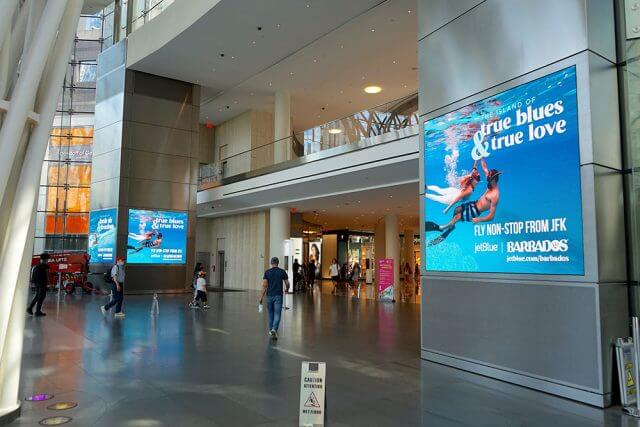
Among the various types of billboard advertising, our Midtown Digital Network represents the convergence of technological sophistication and human-centered design. These 8-foot by 12-foot double-sided LED displays, positioned at natural viewing heights, generate 422 million impressions every four weeks while maintaining the intimate scale that encourages genuine engagement.
The strategic positioning of these digital displays just off major avenues in Midtown Manhattan exemplifies our philosophy of purposeful placement. Rather than competing for attention in oversaturated zones, we select locations where audiences naturally pause, creating opportunities for meaningful brand encounters. Digital displays at eye level achieve 67% higher engagement rates than elevated alternatives, transforming passive exposure into active connection.
Our digital network leverages full-motion capabilities to craft narratives that unfold throughout the day. Morning commuters encounter energizing content that complements their forward momentum. Afternoon shoppers discover messages aligned with their exploratory mindset. Evening audiences experience advertisements that reflect the transition into leisure. This temporal choreography, unique among types of billboard advertising, creates relevance that static formats cannot achieve.
2. Large Format Spectaculars: Architecture as Canvas
Large format wallscapes and building takeovers represent types of billboard advertising that transform architecture into brand expression. These towering installations don’t merely occupy space, they reimagine urban landscapes, creating landmarks that become woven into the fabric of neighborhood identity.
Our approach to large format advertising transcends simple scale. We select buildings whose architectural character complements brand aesthetics, ensuring installations feel indigenous rather than imposed. A luxury fashion brand adorning a cast-iron facade in SoHo speaks differently than the same creative on a glass tower in Midtown. This contextual sensitivity distinguishes memorable campaigns from mere visibility exercises.
Research confirms that among types of billboard advertising, large format displays achieve up to 86% recognition rates. Yet we measure success beyond recall metrics, considering how installations contribute to neighborhood character and generate cultural conversations. When pedestrians use our installations as meeting landmarks or tourists photograph them as urban art, advertising transcends its commercial purpose to become civic contribution.
3. Street-Level Placements: The Democracy of Visibility
Street-level billboards represent perhaps the most democratic of all types of billboard advertising, creating equal accessibility for pedestrians, cyclists, and drivers. Positioned at natural viewing heights along sidewalks and thoroughfares, these placements integrate seamlessly into daily urban navigation.
Our street-level network spans premium neighborhoods where audiences appreciate thoughtful design and messaging sophistication. Unlike elevated billboards that demand upward attention, street-level placements exist within natural sight lines, creating comfortable viewing experiences that encourage extended engagement. This accessibility translates into action—68% of consumers report making purchases after encountering compelling street-level advertising.
The intimacy of street-level advertising enables nuanced storytelling impossible with distant displays. Details matter at this scale—typography choices, color palettes, even paper textures for wrapped installations contribute to overall impact. We approach each placement as an opportunity to enhance rather than interrupt the pedestrian experience, creating advertisements that feel like neighborhood amenities rather than commercial intrusions.
4. Transit Integration: Rhythm and Repetition
Transit advertising encompasses types of billboard advertising that leverage movement patterns and commuter rhythms. Our partnerships with transportation systems and venues position brands at convergence points where diverse audiences naturally gather, creating exposure opportunities that combine reach with relevance.
The power of transit advertising lies in its relationship with routine. Daily commuters encounter consistent messaging that builds familiarity through repetition—research indicates repeated exposure increases brand recall by up to 62%. Yet we approach transit placements not as mere frequency plays but as opportunities to accompany audiences through their urban journeys.
Our transit installations respect the commuter experience while creating moments of visual respite. In subway stations, we select locations where waiting naturally occurs, ensuring viewers have time to absorb messages without feeling rushed. On platforms and concourses, we position displays where they enhance rather than obstruct navigation. This thoughtful integration transforms advertising from interruption into accompaniment.
5. Storefront Transformations: Retail Theater
Among innovative types of billboard advertising, storefront conversions represent unique opportunities to transform vacant or underutilized retail spaces into compelling brand showcases. These street-level installations blur boundaries between advertising and experiential design, creating immersive environments that invite exploration.
Our storefront transformations leverage the inherent theater of window displays, creating narratives that unfold across multiple panes or evolve throughout campaign periods. The retail context provides natural advantages—audiences arrive in shopping mindsets, making them receptive to brand messaging. Interactive elements including QR codes and NFC technology bridge physical and digital realms, extending engagement beyond initial encounters.
The architectural diversity of storefronts enables customized approaches that reflect brand personality. A minimalist technology brand might favor clean, geometric presentations in modern facades, while heritage brands might select historic storefronts whose patina adds authenticity. This flexibility makes storefront advertising among the most versatile types of billboard advertising available.
Strategic Integration Across Format Types
The most sophisticated campaigns leverage multiple types of billboard advertising to create comprehensive brand presence. Our expertise lies in orchestrating diverse formats into cohesive narratives that build through accumulated touchpoints. A campaign might begin with large format wallscapes establishing brand presence, supported by street-level displays providing detail, and reinforced through transit advertising ensuring frequency.
This integrated approach recognizes that different types of billboard advertising serve complementary functions within broader marketing strategies. Digital displays handle time-sensitive messaging and dynamic content. Static installations provide consistent brand anchoring. Interactive formats enable direct response mechanisms. Together, they create advertising ecosystems that surround audiences with coordinated yet varied brand expressions.
Partner with Pearl Media
Understanding the diverse types of billboard advertising available is just the first step, realizing their potential requires expertise, premium inventory, and thoughtful execution. Since 2006, Pearl Media has helped bold brands transform urban landscapes into compelling brand experiences across New York and America’s most coveted markets. Whether you’re envisioning a commanding wallscape that redefines a city block or intimate street-level encounters that spark genuine connection, our team brings nearly two decades of curatorial expertise to every campaign. Ready to explore how the right billboard format can elevate your brand’s urban presence? Contact our team to begin the conversation.